
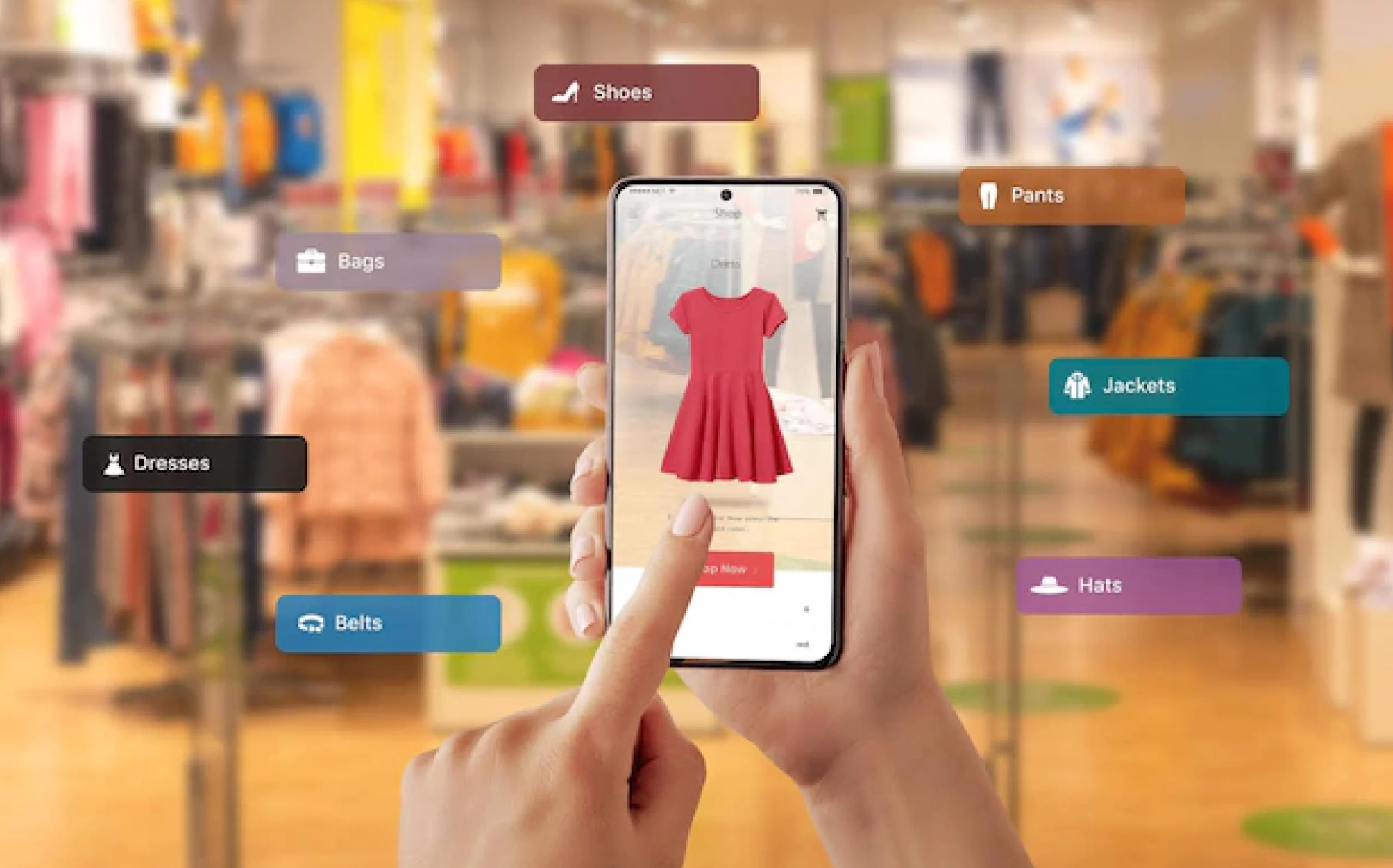
Shopping for clothes has dramatically evolved over the past decade. The rise of e-commerce has made it possible to browse endless collections from the comfort of your home, but it has also introduced a significant challenge: the inability to try on clothing before making a purchase. This is where virtual try on clothing technology comes into play, bridging the gap between online convenience and the tactile experience of in-store shopping. In this comprehensive guide, we explore the concept, benefits, technologies, and future of virtual try-on clothing to help shoppers make informed decisions.
Understanding Virtual Try-On Clothing
Virtual try-on clothing is a digital solution that allows consumers to see how clothes will look on them without physically wearing the garments. Using a combination of augmented reality (AR), 3D modeling, and artificial intelligence (AI), virtual try-on applications create a realistic representation of clothing on a user’s body. Shoppers can interact with the items, check fit, explore different sizes, and visualize outfits in real-time, making online shopping more personalized and accurate.
Virtual try-on clothing is no longer a futuristic concept; it has become increasingly accessible to mainstream consumers through mobile apps, e-commerce platforms, and in-store digital kiosks. By using a smartphone camera or uploading a photo, shoppers can instantly see how clothes would look on their bodies, eliminating guesswork and reducing the risk of returns.
Benefits of Virtual Try-On Clothing
The adoption of virtual try-on clothing offers numerous advantages for both consumers and retailers.
Enhanced Shopping Experience
Traditional online shopping often leaves customers uncertain about how a garment will fit or look on them. Virtual try-on clothing transforms this experience by providing a visual and interactive interface. Shoppers can experiment with colors, sizes, and styles, leading to greater satisfaction and confidence in their purchases.
Reduced Returns and Waste
A significant issue in e-commerce fashion is the high rate of returns due to sizing or style mismatches. Virtual try-on clothing helps customers make better decisions before purchasing, which reduces returns and contributes to more sustainable shopping practices. Lower return rates also benefit retailers by minimizing shipping costs and inventory disruptions.
Personalization and Style Exploration
Virtual try-on technology allows users to explore styles they may not have considered in a physical store. Shoppers can mix and match items, create complete outfits, and even receive AI-generated recommendations based on their body type and preferences. This personalization adds a fun and experimental element to the shopping process.
Accessibility and Convenience
For individuals with limited mobility or those living far from physical stores, virtual try-on clothing provides an inclusive and convenient alternative. Shoppers can try on clothing anytime and anywhere, making fashion more accessible to a wider audience.
Technologies Behind Virtual Try-On Clothing
Several technologies work together to create realistic virtual try-on experiences.
Augmented Reality
AR overlays digital garments onto a live image of the user, allowing them to see how clothes fit in real-time. Advanced AR systems can track body movements and adjust the clothing’s position and shape accordingly, creating a natural and immersive experience.
3D Modeling
3D models of clothing are essential for virtual try-on applications. These models replicate textures, fabrics, and draping patterns to provide a realistic representation of the garment. Some systems even simulate how materials react to movement, offering a near-authentic preview of the outfit.
Artificial Intelligence
AI plays a crucial role in virtual try-on clothing by analyzing body measurements, proportions, and posture. Machine learning algorithms can suggest the best fit, size, and style based on user data, improving accuracy and reducing the chances of mismatch. AI also enables features like automatic background removal, virtual dressing rooms, and personalized styling recommendations.
Motion Capture and Body Scanning
Some advanced virtual try-on platforms utilize motion capture technology or 3D body scanning to create precise digital avatars. These avatars mirror the shopper’s exact body shape and size, allowing for a more accurate representation of how clothing will fit.
Applications of Virtual Try-On Clothing
Virtual try-on clothing is being utilized across various sectors of the fashion industry, revolutionizing both online and offline retail.
E-Commerce Platforms
Many leading online retailers have integrated virtual try-on features into their websites and mobile apps. By enabling customers to visualize products before purchase, these platforms increase engagement, reduce uncertainty, and drive higher conversion rates.
Physical Stores
Brick-and-mortar stores are also adopting virtual try-on solutions to enhance the in-store experience. Digital mirrors and kiosks allow shoppers to try on multiple outfits quickly without physically changing clothes, saving time and reducing physical wear on inventory.
Social Media and Influencer Marketing
Some social media platforms now incorporate virtual try-on tools, enabling users to try on clothing virtually and share looks with their followers. This not only promotes products but also encourages social engagement and interactive marketing strategies.
Fashion Design and Customization
Virtual try-on technology is increasingly used by designers for prototyping and showcasing collections. Customers can visualize custom designs before production, allowing for a collaborative approach to fashion and minimizing waste from unsold inventory.
Challenges and Limitations
While virtual try-on clothing offers many benefits, it is not without challenges.
Accuracy of Fit
Despite advances in technology, some virtual try-on systems may struggle to perfectly simulate fit and fabric behavior. Variations in body shape, movement, and garment elasticity can sometimes lead to discrepancies between virtual and physical experiences.
Technical Requirements
High-quality virtual try-on experiences require robust software, fast internet, and compatible devices. Users with older smartphones or slower connections may encounter limitations or lower-quality visualizations.
Privacy Concerns
Virtual try-on clothing often requires access to personal images or body measurements. Ensuring secure handling of this data is critical, and users must trust that their privacy is protected.
Adoption and Awareness
While technology is growing rapidly, not all consumers are familiar with virtual try-on clothing. Education and user-friendly interfaces are essential to encourage widespread adoption.
The Future of Virtual Try-On Clothing
The future of virtual try-on clothing is incredibly promising. As AR, AI, and 3D modeling technologies continue to advance, virtual experiences will become more realistic and seamless. Integration with virtual reality (VR) could provide fully immersive shopping environments where users explore entire virtual stores. Additionally, AI-driven personalization will allow for hyper-customized recommendations based on body shape, preferences, and even social trends.
Sustainability will also play a critical role in the future. By reducing the need for excessive production and returns, virtual try-on clothing can contribute to a more eco-friendly fashion industry. Retailers and designers will increasingly rely on these tools for inventory planning, design prototyping, and interactive marketing.
Conclusion
Virtual try-on clothing is transforming the fashion industry by merging technology with the shopping experience. It offers enhanced convenience, personalization, and sustainability while addressing long-standing challenges in online retail. From augmented reality overlays to AI-powered sizing recommendations, this technology empowers consumers to shop with confidence and creativity. As the tools continue to evolve, virtual try-on clothing will become an essential component of modern fashion, shaping the way we interact with clothing and revolutionizing the shopping journey.