
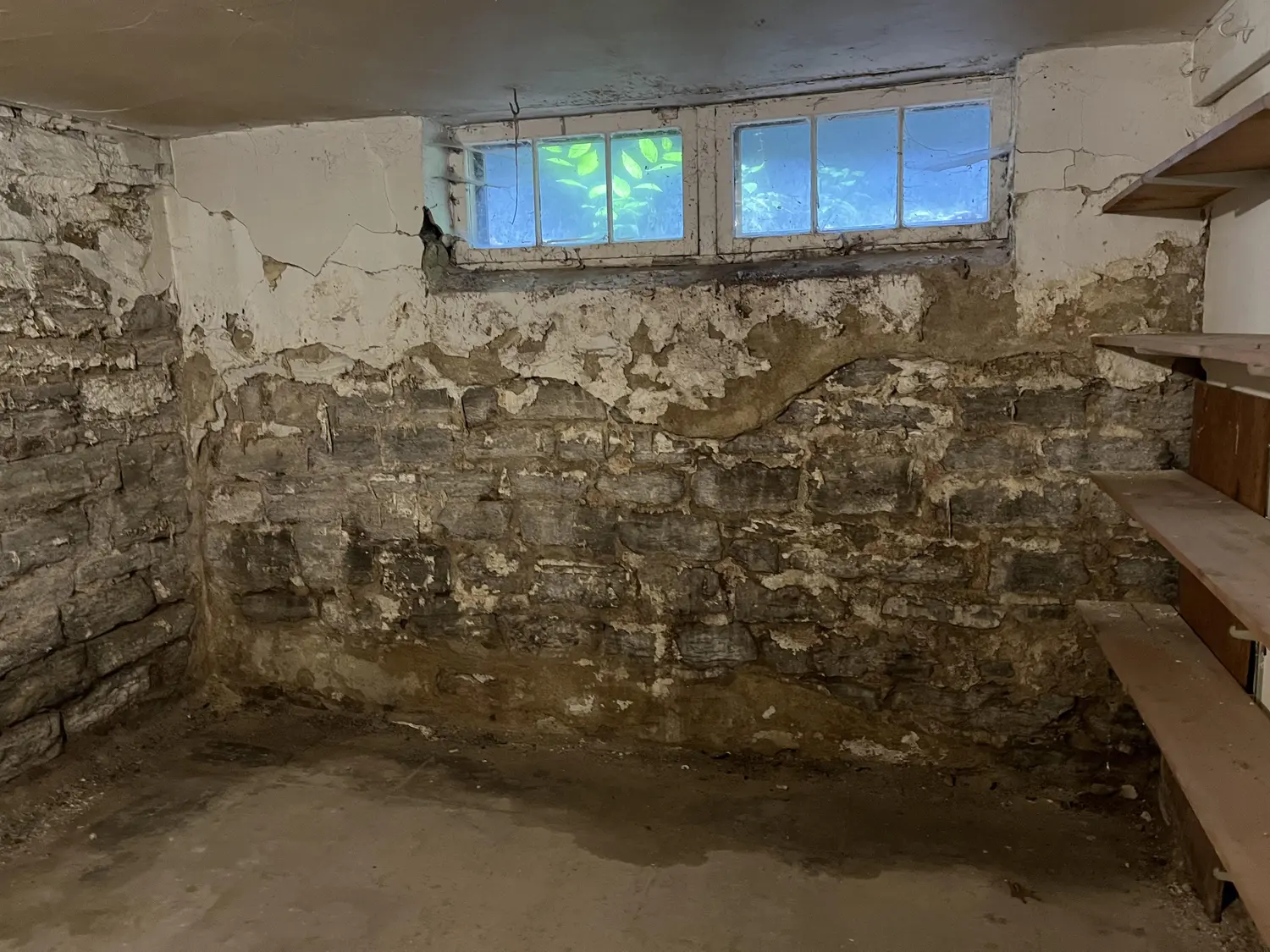
Basements are one of the most vulnerable areas of a home when it comes to water intrusion. Whether caused by heavy rainfall, plumbing failures, groundwater seepage, or flooding, water accumulation in a basement can quickly escalate into a serious problem. Understanding the importance of timely basement water removal is essential for protecting your property, health, and finances. Acting fast not only minimizes immediate damage but also prevents long-term structural and environmental issues that can be costly and stressful to resolve.
Why Basement Water Problems Should Never Be Ignored
Water in the basement is more than just an inconvenience. Even a small amount of standing water or persistent dampness can create significant risks if not addressed promptly. Delayed basement water removal allows moisture to spread, weakening building materials and creating the perfect environment for mold growth.
Ignoring basement water issues can also reduce the value of your home. Potential buyers often view water damage as a red flag, associating it with hidden repairs and ongoing maintenance problems. By addressing water intrusion quickly, homeowners can maintain both the safety and marketability of their property.
Common Causes of Basement Water Accumulation
Understanding where basement water comes from helps highlight why immediate action is so important.
Heavy Rainfall and Flooding
Excessive rain can overwhelm drainage systems and cause water to seep through foundation walls or floors. Poor grading around the home often directs water toward the basement instead of away from it, making basement water removal urgent after storms.
Plumbing Leaks and Burst Pipes
Broken pipes, leaking water heaters, or faulty washing machine hoses can release large volumes of water in a short period. Without timely basement water removal, this water can soak into walls, floors, and stored belongings.
Groundwater Seepage
High groundwater levels can push moisture through tiny cracks in the foundation. This slow but steady intrusion often goes unnoticed until visible water damage or musty odors appear.
Poor Drainage Systems
Clogged gutters, damaged downspouts, and malfunctioning sump pumps can all contribute to basement flooding. When these systems fail, water quickly finds its way indoors.
The Risks of Delayed Basement Water Removal
Postponing water removal can lead to a chain reaction of problems that grow worse over time.
Structural Damage
Water weakens concrete, wood, and steel. Prolonged exposure can cause foundation cracks to expand, wooden beams to rot, and metal components to corrode. Timely basement water removal helps preserve the structural integrity of your home.
Mold and Mildew Growth
Mold can begin growing within 24 to 48 hours of water exposure. Once mold spreads, it becomes difficult and expensive to eliminate. Prompt basement water removal reduces moisture levels and limits the conditions mold needs to thrive.
Health Concerns
Standing water and excess humidity encourage bacteria, mold spores, and allergens. These can trigger respiratory problems, allergies, and other health issues, especially for children, the elderly, and individuals with weakened immune systems.
Damage to Personal Belongings
Basements are often used for storage. Furniture, electronics, documents, and sentimental items can be permanently damaged if water is not removed quickly. Fast basement water removal increases the chances of salvaging valuable possessions.
How Timely Basement Water Removal Saves Money
Quick action after water intrusion can significantly reduce repair and restoration costs.
Lower Repair Expenses
The longer water sits, the more damage it causes. Floors may need replacement, walls may require reconstruction, and mold remediation costs can rise quickly. Immediate basement water removal limits the scope of repairs.
Reduced Insurance Complications
Insurance claims related to water damage often depend on how quickly the homeowner responds. Demonstrating prompt basement water removal and mitigation efforts can help ensure smoother claim processing and better coverage outcomes.
Preventing Long-Term Restoration Projects
Small water incidents can turn into major restoration projects if neglected. Addressing the problem early keeps cleanup manageable and avoids extensive renovations.
The Basement Water Removal Process Explained
Understanding the typical steps involved highlights why timing is critical.
Initial Assessment
The first step is identifying the source and extent of the water intrusion. This assessment helps determine the safest and most effective basement water removal strategy.
Water Extraction
Using pumps, wet vacuums, or professional-grade extraction equipment, standing water is removed as quickly as possible. Speed is crucial to prevent further absorption into building materials.
Drying and Dehumidification
After visible water is removed, moisture remains in walls, floors, and the air. Industrial fans and dehumidifiers are often used to thoroughly dry the space and restore safe humidity levels.
Cleaning and Sanitizing
Basement water can carry contaminants, especially after flooding. Cleaning and sanitizing surfaces help eliminate bacteria and reduce health risks.
Preventive Measures
Once basement water removal is complete, steps such as sealing cracks, improving drainage, or installing sump pumps help prevent future incidents.
When to Seek Professional Help
While minor water issues can sometimes be managed by homeowners, many situations require professional intervention.
Large-Scale Flooding
Significant flooding often involves contaminated water and hidden structural damage. Professional basement water removal ensures thorough extraction and safe cleanup.
Persistent Moisture Problems
If water keeps returning despite cleanup efforts, professionals can identify underlying issues such as foundation defects or drainage failures.
Mold Concerns
If mold is already present or suspected, expert remediation is essential to ensure complete and safe removal.
Long-Term Benefits of Prompt Basement Water Removal
Acting quickly after water intrusion provides benefits that extend far beyond immediate cleanup.
Preserving Home Value
Homes with a history of unresolved water damage often lose value. Timely basement water removal helps maintain a solid, dry foundation and protects your investment.
Improved Indoor Air Quality
Dry basements contribute to healthier indoor air throughout the entire home, reducing odors and airborne allergens.
Peace of Mind
Knowing that water issues are addressed promptly allows homeowners to feel confident in the safety and stability of their living space.
Conclusion
Understanding the importance of timely basement water removal is key to protecting your home, health, and finances. Water damage escalates quickly, turning minor incidents into major problems if ignored. By acting fast, homeowners can prevent structural damage, mold growth, health risks, and costly repairs. Whether dealing with sudden flooding or slow seepage, prompt basement water removal is not just a cleanup task—it is a crucial step in safeguarding your property for the long term.