
Mold is a common problem in homes and commercial properties, and if left untreated, it can lead to significant health issues and structural damage. Understanding mold remediation is essential for safeguarding both your health and your property. This comprehensive guide explores the causes, risks, detection, and effective strategies for mold remediation.
Understanding Mold and Its Risks
Mold is a type of fungus that thrives in moist, warm environments. It reproduces through spores that can easily become airborne and spread throughout a property. Mold growth is often hidden, occurring behind walls, under floors, or inside HVAC systems, making early detection challenging.
Exposure to mold can have serious health consequences. Common symptoms include respiratory issues, allergic reactions, skin irritation, and headaches. Individuals with preexisting conditions such as asthma, allergies, or weakened immune systems are particularly vulnerable. In addition to health risks, mold can compromise the structural integrity of a building, leading to costly repairs if not addressed promptly.
Common Causes of Mold Growth
Mold thrives in environments where moisture is present. Common causes include water leaks from pipes, roofs, or windows, high humidity levels, poor ventilation, and flooding. Condensation on walls and windows can also create ideal conditions for mold growth. Identifying and addressing the source of moisture is a critical first step in any mold remediation process.
Homes in humid climates are particularly susceptible to mold, but it can develop anywhere there is water intrusion or persistent dampness. Understanding the source of moisture helps in both preventing mold growth and ensuring effective remediation.
Signs of Mold in Your Property
Detecting mold early is key to preventing extensive damage. Visible signs of mold include discoloration on walls, ceilings, or floors, often appearing as black, green, or white patches. A musty or earthy odor is another indicator of hidden mold.
Health symptoms can also signal mold presence. Chronic coughing, sneezing, eye irritation, and skin rashes may indicate prolonged exposure. If multiple members of a household are experiencing similar symptoms, it is wise to inspect for mold. Professional mold inspections can identify hidden infestations using tools such as moisture meters and infrared cameras.
Steps Involved in Mold Remediation
Mold remediation is a systematic process designed to remove mold safely and prevent future growth. The process typically involves the following steps:
- Assessment and Inspection: Professionals assess the extent of mold growth and identify moisture sources. This step may include air quality tests and surface sampling.
- Containment: To prevent mold spores from spreading, the affected area is isolated using physical barriers and negative air pressure systems.
- Removal of Contaminated Materials: Porous materials like drywall, carpets, and insulation that are heavily infested are removed and safely disposed of.
- Cleaning and Sanitizing: Non-porous surfaces are cleaned using specialized solutions that kill mold spores. HEPA vacuuming is often used to capture airborne spores.
- Drying and Dehumidification: Thorough drying is essential to prevent mold from returning. Dehumidifiers and air movers are used to reduce moisture levels.
- Repairs and Restoration: Once the mold is removed, damaged structures are repaired or replaced. Painting and refinishing may also be part of this phase.
DIY vs. Professional Mold Remediation
Small mold problems in non-porous areas can sometimes be handled by homeowners using proper cleaning techniques and protective gear. However, extensive infestations or mold in HVAC systems, crawl spaces, and behind walls require professional remediation.
Professional mold remediation companies have the training, equipment, and experience to safely remove mold and prevent cross-contamination. They also offer advice on long-term prevention, which is critical for avoiding recurring problems.
Preventing Future Mold Growth
Prevention is as important as remediation when it comes to mold. Effective strategies include:
- Controlling Moisture: Fix leaks promptly, ensure proper drainage, and reduce humidity with dehumidifiers or air conditioning.
- Improving Ventilation: Proper ventilation in kitchens, bathrooms, and basements reduces condensation and mold-friendly conditions.
- Using Mold-Resistant Materials: During construction or renovations, use mold-resistant drywall, insulation, and paints.
- Regular Maintenance: Inspect your property regularly for leaks, water damage, or signs of mold. Cleaning gutters and ensuring proper roof maintenance can prevent water intrusion.
Health Considerations During Mold Remediation
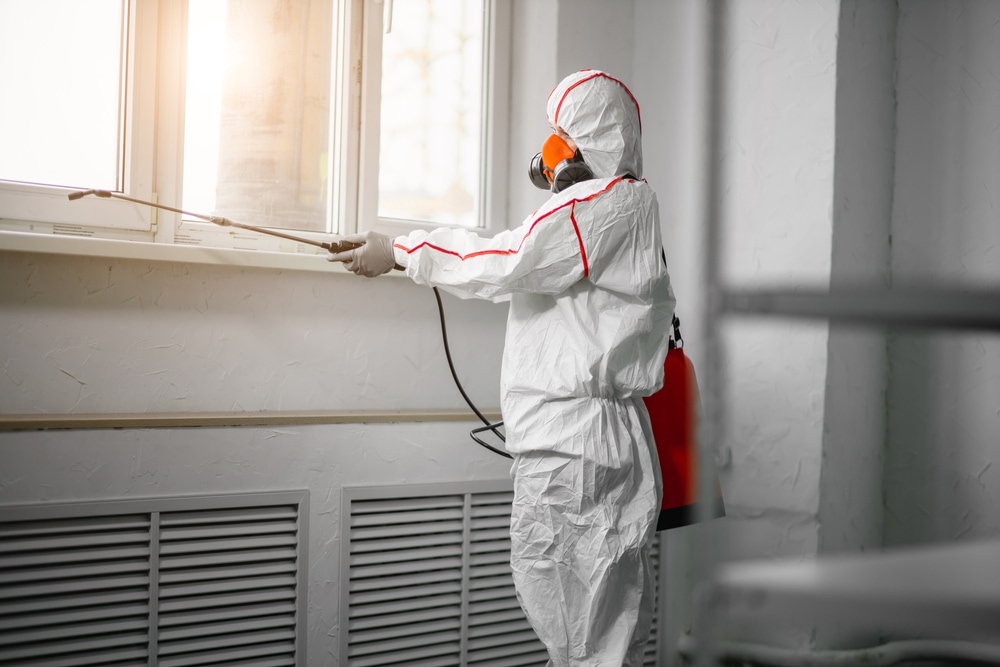
Mold remediation involves handling potentially harmful spores. Protective equipment such as gloves, masks, goggles, and protective clothing is necessary. Individuals with respiratory conditions should avoid exposure during remediation. Professional remediation teams follow strict safety protocols to ensure the health of both workers and occupants.
The Cost of Mold Remediation
The cost of mold remediation varies based on the size of the affected area, the extent of contamination, and whether professional services are required. Minor infestations in small areas may cost a few hundred dollars, while extensive damage can run into thousands. Considering the health risks and potential property damage, investing in proper remediation is usually more cost-effective than ignoring the problem.
Choosing a Mold Remediation Professional
When selecting a professional for mold remediation, consider the following factors:
- Experience and Certification: Look for certified professionals with proven experience in mold removal. Certifications from organizations such as the Institute of Inspection, Cleaning and Restoration Certification (IICRC) indicate adherence to industry standards.
- Comprehensive Services: Choose a company that handles assessment, containment, removal, cleaning, and restoration.
- Transparent Pricing: A reliable company provides detailed estimates and explains the remediation process.
- References and Reviews: Checking past client reviews can give insight into the quality of service and professionalism.
Conclusion
Mold remediation is essential for protecting your health and the integrity of your property. Understanding the causes, identifying signs, and taking prompt action can prevent serious health issues and costly damage. Whether handling small mold issues yourself or hiring a professional, prioritizing moisture control, proper cleaning, and preventive measures ensures a safe and healthy environment. Investing in mold remediation is an investment in both your well-being and the longevity of your property.
By following the strategies outlined in this guide, you can effectively address mold problems, safeguard your home, and maintain a healthy living environment. Mold may be common, but with proper remediation and prevention, it doesn’t have to compromise your life or property.