
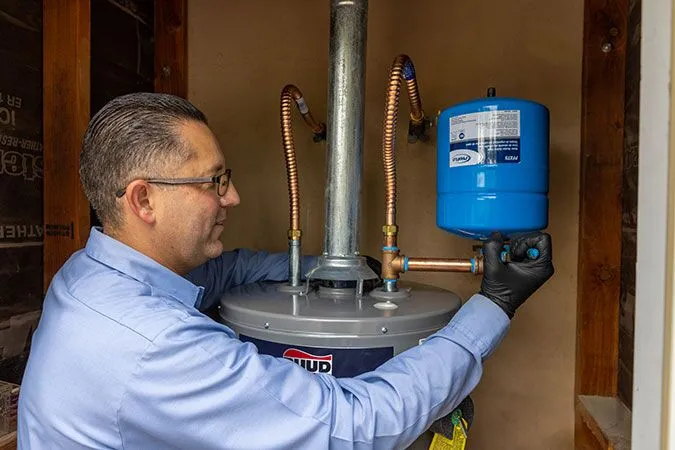
A reliable water heater is essential for every home. It provides hot water for showers, washing dishes, laundry, and other daily tasks. Like any appliance, water heaters don’t last forever, and over time they may become less efficient, break down, or even pose safety hazards. Recognizing the signs that it’s time to replace water heater can save homeowners from unexpected inconveniences and costly repairs. This checklist helps homeowners identify when their water heater is nearing the end of its life.
Understanding the Lifespan of a Water Heater
Water heaters typically last between 8 to 12 years, depending on usage, maintenance, and the type of heater. Tankless water heaters often have a longer lifespan, lasting up to 20 years with proper care. While age is a significant factor, it’s not the only indicator that a replacement is needed. Performance issues, unusual noises, and visible damage are equally important to monitor. Keeping an eye on these warning signs ensures your home remains comfortable and your water supply reliable.
Age of the Water Heater
One of the most straightforward signs that it might be time to replace water heater is its age. If your water heater is approaching or has exceeded 10 years, it’s wise to start considering a replacement. Even if it seems to be working fine, older units are more prone to leaks, inefficiency, and sudden failure. Investing in a new water heater before a total breakdown occurs can prevent the stress and expense of emergency replacements.
Rusty Water
Rusty or discolored water is a strong indication that your water heater may be deteriorating. If you notice brown or reddish water when running hot taps, it can signal corrosion inside the tank. Over time, the inner lining of the tank can break down, contaminating the water supply and potentially leading to leaks. Rust not only affects water quality but also decreases the heater’s efficiency, making it harder to maintain a consistent temperature. In such cases, it’s time to replace water heater to ensure safe and clean water for your household.
Leaks and Moisture Around the Heater
Leaks around the water heater are a clear warning sign. Even minor drips or puddles can indicate serious internal problems. Common causes include corrosion, loose connections, or a failing tank. Ignoring leaks can result in water damage to floors, walls, and nearby belongings. If you spot water pooling around your heater, it’s crucial to act quickly. A replacement is often the most effective solution, as repairs may only be temporary and could fail entirely.
Strange Noises
Water heaters are generally quiet, but over time, sediment buildup at the bottom of the tank can cause popping, rumbling, or banging sounds. These noises occur when water trapped under sediment heats up and creates steam pockets. Excessive sediment can reduce the tank’s efficiency, shorten the lifespan of the heater, and lead to costly repairs. While flushing the tank may help temporarily, persistent or loud noises are a strong indicator that it’s time to replace water heater.
Inconsistent Water Temperature
A reliable water heater should provide consistent hot water. If you notice fluctuating temperatures, water that runs out quickly, or lukewarm showers, your heater may be struggling. This issue could be caused by a failing heating element, sediment buildup, or a malfunctioning thermostat. Attempting to repair an old water heater may not always be cost-effective. Replacing it ensures a steady supply of hot water and prevents daily frustration for your household.
Increased Energy Bills
A sudden spike in energy bills can point to an inefficient water heater. Older units or those with internal corrosion often require more energy to heat water, which translates to higher utility costs. Modern water heaters are designed to be more energy-efficient, with better insulation and advanced heating technology. Upgrading to a new unit not only restores optimal performance but can also result in noticeable savings on energy bills over time.
Visible Signs of Corrosion or Damage
Physical inspection of your water heater can reveal important clues. Look for visible rust, cracks, or other damage on the tank, valves, and pipes. Corrosion weakens the structural integrity of the tank, increasing the risk of leaks or sudden failure. Additionally, damaged pipes or fittings can compromise water quality and efficiency. When you notice these visible warning signs, it’s prudent to replace water heater rather than attempting patch repairs that may not last.
Frequent Repairs
If you find yourself calling a plumber repeatedly for minor water heater issues, it may be more economical to replace water heater altogether. Frequent repairs indicate that the unit is reaching the end of its useful life. While repair costs might seem manageable initially, they can quickly accumulate. Investing in a new water heater ensures reliability and peace of mind without the ongoing expense of constant fixes.
Reduced Capacity
Over time, sediment buildup and internal corrosion can reduce a water heater’s effective capacity. This may manifest as running out of hot water more quickly or having difficulty meeting the household’s demand. If you notice that your water heater no longer provides enough hot water for daily needs, it’s a clear sign that a replacement is necessary. Modern units often come with larger tanks or more efficient tankless systems to accommodate higher demand.
Safety Concerns
A failing water heater can pose safety risks. Leaks can cause water damage, and gas water heaters with faulty components may present carbon monoxide hazards. Pressure buildup due to a malfunctioning relief valve can even result in tank explosions in extreme cases. If you notice any safety issues, such as a gas smell, unusual noises, or leaks, do not delay replacing water heater. Safety should always be the top priority for homeowners.
Upgrading to Energy-Efficient Models
Even if your current water heater is functioning adequately, upgrading to a newer, energy-efficient model can provide long-term benefits. Modern units are more environmentally friendly, heat water faster, and reduce energy consumption. Tankless water heaters, in particular, offer on-demand hot water without the standby energy losses associated with traditional tanks. Replacing water heater with a more efficient model can improve home comfort and lower utility costs simultaneously.
Conclusion
Monitoring the condition of your water heater is crucial for maintaining a comfortable and safe home. Signs such as age, rusty water, leaks, strange noises, inconsistent temperatures, increased energy bills, and visible damage all indicate it may be time to replace water heater. Regular maintenance can extend the life of your unit, but eventually, every water heater reaches the point where replacement is the most practical solution. By following this homeowner’s checklist, you can avoid unexpected failures, protect your property, and enjoy a steady supply of hot water for years to come. Prioritizing timely replacement ensures efficiency, safety, and peace of mind, making your home more comfortable and reliable.