
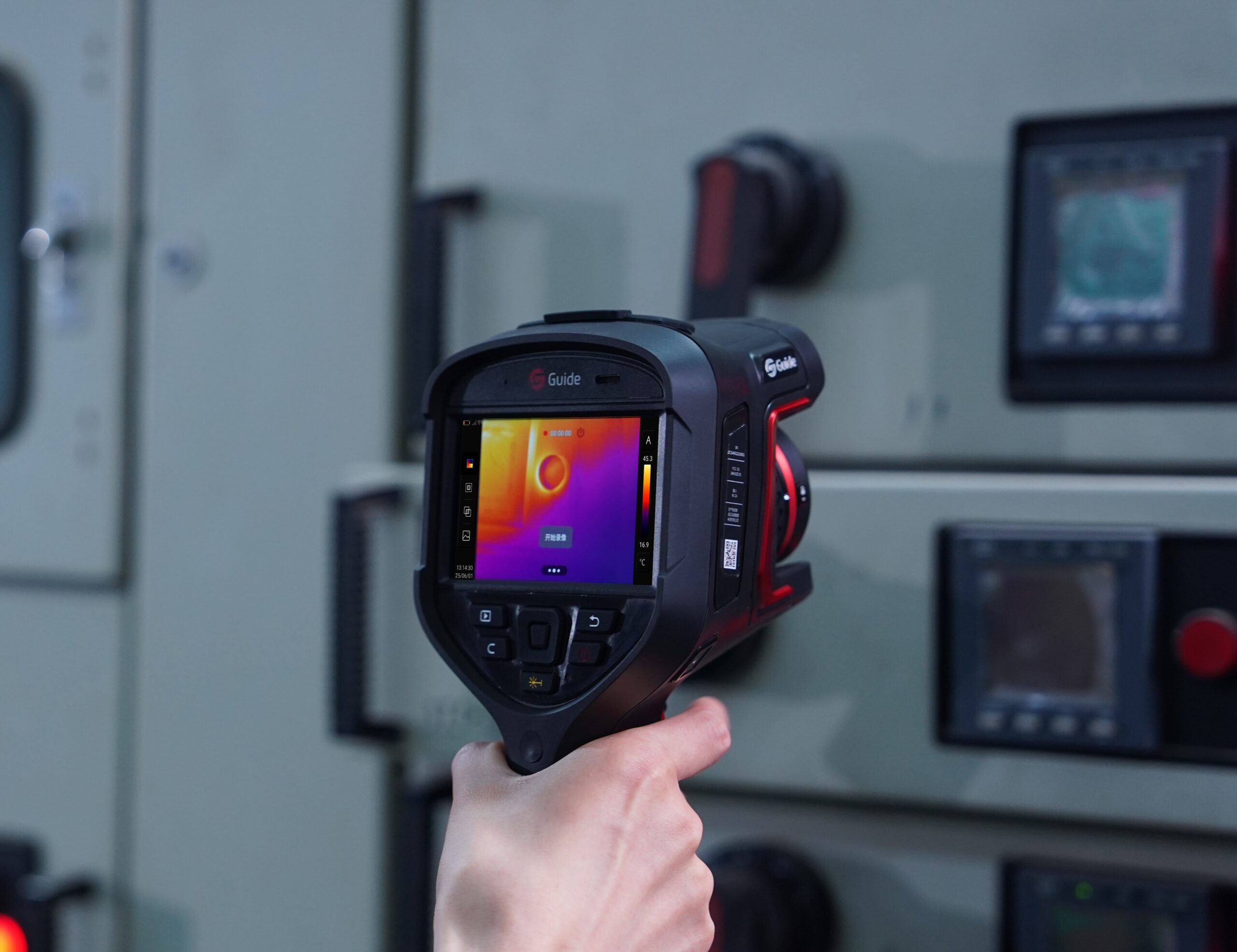
In modern construction and engineering, the adoption of advanced technologies has revolutionized the way projects are planned, monitored, and executed. Among these innovations, rugged infrared thermal camera imaging has emerged as an essential tool for improving efficiency, safety, and accuracy. By detecting temperature variations invisible to the naked eye, thermal imaging provides valuable insights into structural integrity, energy efficiency, and maintenance needs.
Enhancing Structural Inspections
One of the most critical applications of rugged infrared thermal camera imaging in construction is structural inspection. Traditional inspection methods often rely on visual assessments, which may overlook hidden issues such as moisture infiltration, insulation gaps, or electrical faults. Thermal imaging detects subtle temperature differences, enabling engineers to identify problem areas early.
For example, during a building inspection, thermal cameras can reveal heat loss around windows or walls, indicating areas where insulation is insufficient. Similarly, in concrete structures, thermal imaging can detect voids, cracks, or water ingress that could compromise structural integrity. Using ruggedized models ensures that inspections can be performed in harsh environments without damaging sensitive equipment.
Improving Energy Efficiency in Buildings
Energy efficiency is a growing concern in both commercial and residential construction. Rugged infrared thermal camera imaging plays a vital role in identifying inefficiencies in heating, ventilation, and air conditioning systems. By visualizing heat patterns, engineers can detect energy leaks in ductwork, walls, or ceilings.
This application is particularly useful in retrofitting older buildings where outdated insulation or HVAC systems may be underperforming. Thermal imaging allows teams to target specific areas for improvement, reducing energy consumption and operational costs. Furthermore, early detection of inefficiencies helps building owners comply with energy regulations and sustainability standards.
Electrical System Diagnostics
Electrical systems in large construction projects are complex, and even minor faults can lead to significant problems. Rugged infrared thermal camera imaging enables engineers and electricians to identify overheating components, loose connections, or overloaded circuits before they cause failures or fire hazards.
Using thermal cameras during routine inspections can prevent costly downtime and improve workplace safety. Since construction sites often present challenging environments—dust, moisture, or vibrations—rugged infrared cameras provide durability without compromising accuracy. The portability of these devices also allows for quick on-site diagnostics in confined or hard-to-reach areas.
Enhancing Safety on Construction Sites
Construction and engineering environments are inherently hazardous, and safety remains a top priority. Thermal imaging technology contributes to safer working conditions by detecting hidden risks that may go unnoticed. For instance, rugged infrared thermal camera imaging can identify hotspots in machinery or electrical panels that could pose fire hazards.
Moreover, thermal imaging can help monitor equipment and structural components in real-time, allowing engineers to prevent accidents caused by overheating machinery or compromised materials. By incorporating thermal cameras into routine safety protocols, construction managers can reduce workplace incidents while ensuring compliance with safety regulations.
Monitoring Concrete Curing and Material Performance
Concrete is one of the most widely used materials in construction, and proper curing is essential for structural stability. Rugged infrared thermal camera imaging can monitor temperature changes in curing concrete, providing valuable data about hydration rates and uniformity.
Uneven curing can lead to weak spots or cracks, which may compromise the long-term durability of a structure. By using thermal imaging, engineers can adjust curing processes to ensure optimal strength and consistency. Beyond concrete, thermal cameras are also used to evaluate the performance of roofing, insulation, and other materials under varying environmental conditions.
Supporting Preventive Maintenance
In engineering projects, maintenance plays a critical role in extending the lifespan of assets and avoiding costly repairs. Rugged infrared thermal camera imaging is widely used for predictive and preventive maintenance in construction equipment, electrical systems, and building infrastructure.
By regularly scanning machinery and structural components, engineers can detect early signs of wear, overheating, or material fatigue. This proactive approach minimizes downtime, reduces repair costs, and ensures continuous operation of essential systems. The rugged design of thermal cameras allows them to withstand harsh conditions while providing accurate, reliable data.
Facilitating Research and Development
Thermal imaging is not limited to operational use; it also supports research and development in construction and engineering. Innovators can use rugged infrared thermal camera imaging to study heat transfer, structural responses, and material performance under various conditions.
For example, thermal analysis can help optimize insulation materials, improve HVAC designs, or test energy-efficient building solutions. The ability to capture precise thermal data in real-world environments accelerates innovation and improves the overall quality of construction projects.
Advantages of Rugged Infrared Thermal Cameras
The ruggedness of these cameras is crucial for construction and engineering applications. Unlike standard thermal cameras, rugged models are designed to endure extreme conditions such as dust, moisture, temperature fluctuations, and physical impact. This durability ensures reliable performance on-site, whether inspecting high-rise buildings, industrial plants, or remote infrastructure projects.
Additionally, rugged infrared cameras offer high-resolution imaging, intuitive interfaces, and integration with software for data analysis and reporting. These features enable engineers and project managers to make informed decisions quickly, improving project outcomes and efficiency.
Future Trends in Thermal Imaging for Construction
The adoption of rugged infrared thermal camera imaging is expected to grow as technology continues to advance. Emerging trends include integration with drones for aerial inspections, AI-driven analytics for predictive maintenance, and real-time monitoring of energy performance.
Drones equipped with thermal cameras can inspect hard-to-reach areas such as roofs, bridges, or tall structures, reducing the need for scaffolding or manual inspection. AI algorithms can analyze thermal data to detect anomalies automatically, enhancing accuracy and reducing human error. These innovations promise to make construction projects safer, more efficient, and environmentally friendly.
Conclusion
Rugged infrared thermal camera imaging has become an indispensable tool in construction and engineering. Its applications range from structural inspections and energy efficiency audits to safety monitoring and predictive maintenance. By detecting temperature variations invisible to the human eye, thermal imaging provides actionable insights that improve project quality, reduce costs, and enhance workplace safety.
As technology evolves, the integration of rugged thermal cameras with drones, AI analytics, and real-time monitoring systems will further expand their impact. For engineers, project managers, and construction professionals, embracing this technology is no longer optional—it is a critical step toward smarter, safer, and more sustainable building practices.