
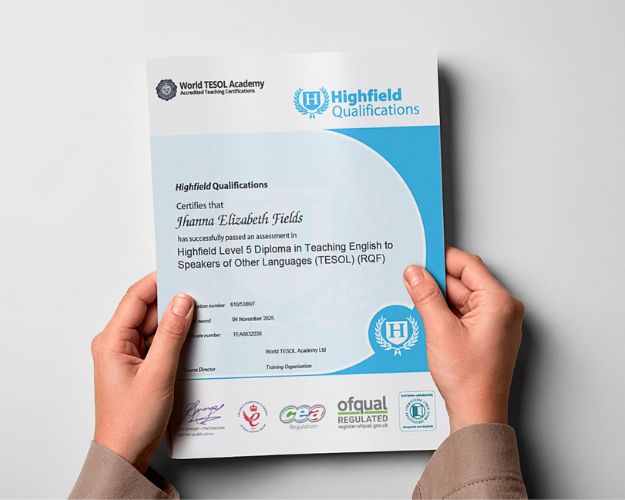
Teaching English as a Foreign Language (TEFL) has become a popular career choice for many people worldwide. South Africa, with its diverse culture and growing education market, is no exception. If you’re considering becoming an English teacher, one of the first decisions you’ll need to make is whether to enroll in an online or an in-person TEFL course. This article explores the advantages and challenges of both formats to help you decide on the best TEFL course in South Africa for teaching English online or in classrooms abroad.
Understanding TEFL Courses
TEFL courses prepare aspiring teachers with the necessary skills to teach English to non-native speakers. These courses often cover grammar, lesson planning, classroom management, and teaching methodologies. In South Africa, options range from fully online programs to traditional in-class courses offered by local institutions.
What Makes a TEFL Course High Quality?
A high-quality TEFL course typically includes at least 120 hours of training, practical teaching practice, and accreditation from a recognized body. Whether online or in person, the course should equip you confidently to teach English in various environments, including online platforms, language schools, and international programs.
Online TEFL Courses in South Africa
Online TEFL courses have grown in popularity, offering flexibility and convenience. These courses allow learners to study at their own pace and from any location. This is especially useful for those living in remote areas or balancing work, family, and studies.
Advantages of Online TEFL Courses
Flexibility and Convenience
One of the biggest advantages of online TEFL training is flexibility. You can access lectures, assignments, and resources at any time, which makes it ideal for people with busy schedules or full-time jobs. With online courses, you decide when and where to study.
Cost-Effective Learning
Online TEFL courses are generally more affordable than in-person training. Without the need for physical classrooms and on-site instructors, providers can offer reduced prices. This makes them an attractive choice for budget-conscious learners.
Global Course Options
By choosing an online format, you are not limited to South African institutions. You can enroll in internationally recognized programs that may carry more weight with employers worldwide. Many teachers prefer this route to access courses that are tailored to teaching English online, making them ideal for those seeking international opportunities.
Challenges of Online TEFL Courses
Limited Face-to-Face Interaction
A common drawback of online TEFL courses is the lack of real-time interaction with instructors and fellow learners. While many platforms offer forums and occasional live sessions, the experience doesn’t fully replicate in-person engagement.
Self-Discipline Required
Online learning requires self-motivation and time-management skills. Without scheduled classes and direct supervision, some learners may struggle to complete the course on time or remain focused.
In-Person TEFL Courses in South Africa
Traditional classroom-based TEFL courses are offered by various language schools and institutions across South Africa. These courses provide structured learning, face-to-face instruction, and opportunities for practice teaching under professional supervision.
Advantages of In-Person TEFL Courses
Real Classroom Experience
In-person TEFL training offers direct interaction with experienced instructors and classmates. This environment can be beneficial for those who thrive in structured settings and learn best through discussion and immediate feedback.
Practical Teaching Practice
Many in-person courses include real teaching practice in front of actual students. This hands-on experience is invaluable, especially for beginners who need to develop classroom management skills and confidence.
Networking Opportunities
Studying in person allows you to build connections with peers, teachers, and local language schools. These networks can be beneficial when seeking job placements or gaining references after certification.
Challenges of In-Person TEFL Courses
Higher Costs
Classroom TEFL courses in South Africa often cost more than online alternatives. You may need to budget for tuition, travel, accommodation, and study materials.
Less Scheduling Flexibility
In-person courses require attendance at scheduled times and locations. This can be limiting for individuals juggling other responsibilities or those living far from training centers.
Which Is Better for Teaching English Online?
Now let’s compare online and in-person TEFL training specifically for aspiring online English teachers.
Online TEFL: Best Choice for Future Online Teachers
If your goal is to become an English teacher who works primarily on online platforms, an online TEFL course may be the best TEFL course in South Africa for teaching English online. Online TEFL programs often include modules on virtual classroom management, digital lesson planning, and remote communication skills — all essential for online teaching.
Online courses also allow you to familiarize yourself with the digital tools and technologies that online English learners use. By learning in a virtual environment, you gain firsthand experience with online communication styles, platforms, and challenges, making the transition to online English teaching smoother.
In-Person TEFL: Best for Traditional Classroom Teaching
On the other hand, if you aim to teach English in schools, language centers, or abroad where traditional classroom teaching is the norm, an in-person course might better prepare you. The hands-on practice and real-world interaction build confidence and skills that are harder to achieve purely online.
Bridging Both Worlds
Some TEFL providers in South Africa offer hybrid courses that combine online theory with in-person teaching practice. These courses aim to give you the best of both worlds: the flexibility of online learning and the practical experience of classroom teaching. If you can find such a program, it could be an excellent option whether you plan to teach online or in brick-and-mortar settings.
Accreditation and Recognition
When choosing any TEFL course in South Africa, it’s crucial to verify the accreditation and recognition. Employers often prefer certifications that are internationally recognized, especially if you plan to work abroad or with global online teaching platforms. Look for courses accredited by reputable organizations such as the International TEFL Accreditation (ITEFLA), TQUK, or Accreditation Council for TESOL Distance Education Courses (ACTDEC).
Final Thoughts
Deciding between online and in-person TEFL courses in South Africa depends on your personal goals, learning style, and career aspirations. Here’s a quick summary to guide your choice:
- Choose online TEFL if you need flexibility, want to learn at your own pace, and are specifically aiming to become an online English teacher. For many aspiring educators, online TEFL offers the best TEFL course in South Africa for teaching English online due to its relevant training and digital focus.
- Choose in-person TEFL if you value structured learning, hands-on practice, and networking opportunities. This route is ideal if you plan to teach in physical classrooms or seek immersive learning experiences.
Whichever path you choose, ensure the course is accredited, comprehensive, and aligns with your future teaching goals. South Africa offers a range of quality TEFL programs to support your journey toward a rewarding career in English language teaching — online or offline.