
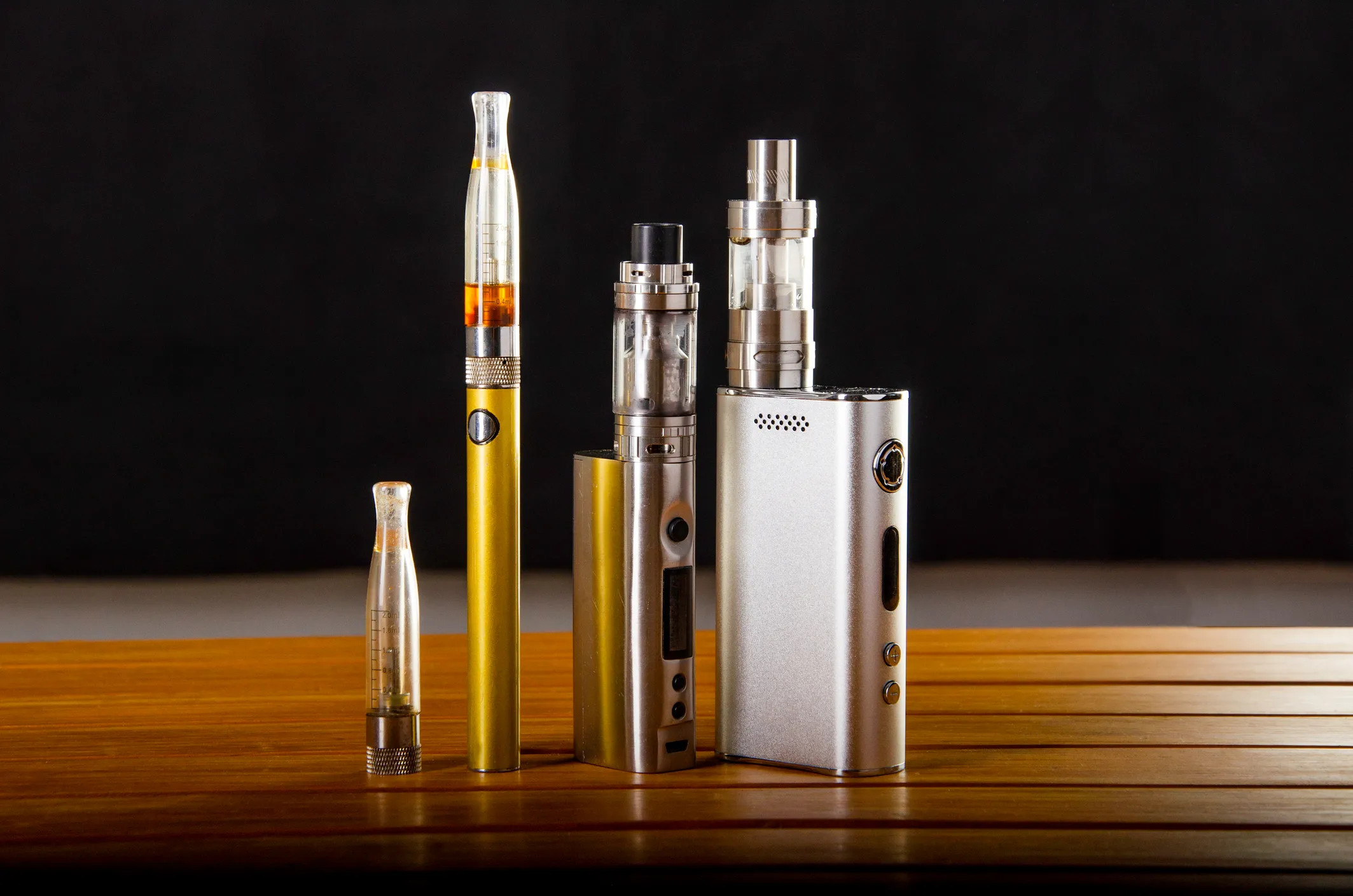
The vaping industry has undergone a tremendous evolution over the past decade, transforming from a niche alternative to traditional smoking into a mainstream option for nicotine consumption. Among the numerous innovations reshaping this space, real tobacco vape products have emerged as a significant player. These products aim to bridge the gap between conventional smoking and modern vaping, offering a more authentic experience for users seeking the taste and sensation of real tobacco without the combustion and many harmful byproducts of cigarettes.
The Rise of Real Tobacco Vape
Vaping initially gained popularity due to its promise of reduced harm compared to traditional cigarettes. Most e-liquids relied on synthetic flavors and nicotine salts, which delivered a satisfying experience for many users. However, a growing segment of smokers missed the authentic flavor of real tobacco. Enter real tobacco vape, which uses actual tobacco extracts or carefully crafted formulations that mimic the natural taste and aroma of tobacco leaves. This innovation has not only attracted existing smokers but also created a new niche for connoisseurs of traditional tobacco flavor who want a modern alternative.
The appeal of real tobacco vape lies in its ability to preserve the essence of tobacco while minimizing the risks associated with smoke inhalation. By vaporizing the compounds rather than burning them, these products reduce exposure to tar and many carcinogens, offering a cleaner experience without sacrificing authenticity. This evolution represents a turning point in vaping, where taste, aroma, and authenticity are now as important as nicotine delivery.
Technology Behind Real Tobacco Vape
The technology powering real tobacco vape products has advanced significantly. Unlike early e-cigarettes, which relied on basic heating coils and standard e-liquids, modern devices are engineered to extract the natural essence of tobacco leaves or replicate their flavor with high fidelity. Some products use actual tobacco leaves processed to release nicotine and flavor without combustion, while others employ sophisticated liquid formulations that capture the aromatic compounds of tobacco.
Temperature control and precise vaporization are key to this technology. Traditional cigarettes burn tobacco at high temperatures, producing smoke and ash. Real tobacco vape devices operate at lower, controlled temperatures, releasing flavor and nicotine in a vapor form. This approach not only enhances the sensory experience but also reduces the harmful byproducts associated with combustion. The result is a product that appeals to smokers seeking familiarity and vapers searching for a richer taste profile.
Impact on the Vaping Industry
The introduction of real tobacco vape has significantly impacted the broader vaping market. One major effect is the diversification of product offerings. While fruit, dessert, and menthol flavors continue to dominate, the demand for authentic tobacco experiences has grown steadily. This trend has encouraged manufacturers to innovate, offering premium lines of tobacco-flavored vapes that emphasize quality, aroma, and authenticity.
Furthermore, real tobacco vape products have influenced consumer expectations. Users now demand not only effective nicotine delivery but also a vaping experience that mirrors the ritualistic and sensory elements of smoking. This shift has forced brands to rethink their approach to flavor development, device design, and marketing strategies. Companies that successfully capture the nuances of real tobacco can attract a loyal customer base and differentiate themselves in a crowded market.
Health Considerations and Regulatory Landscape
While real tobacco vape products reduce exposure to harmful combustion byproducts, they are not entirely risk-free. Nicotine remains an addictive substance, and the long-term effects of vaping tobacco extracts are still being studied. Public health authorities continue to monitor and regulate these products, balancing harm reduction potential with concerns about youth uptake and nicotine addiction.
Regulations have also shaped the availability and marketing of real tobacco vape. In many regions, these products are categorized separately from traditional e-cigarettes, requiring rigorous testing and labeling to ensure consumer safety. Companies producing authentic tobacco-flavored vapes must comply with strict standards for nicotine content, ingredient disclosure, and manufacturing practices. This regulatory oversight aims to protect consumers while allowing innovation in harm reduction alternatives.
Consumer Preferences and Behavioral Shifts
The rise of real tobacco vape reflects broader changes in consumer behavior. Many smokers are looking to transition away from combustible cigarettes without losing the familiar taste and sensation. Real tobacco vape satisfies this desire, providing a product that feels familiar yet aligns with a modern, health-conscious lifestyle.
Additionally, the cultural perception of vaping is evolving. No longer viewed solely as a rebellious alternative, vaping is increasingly seen as a sophisticated option for nicotine consumption. Real tobacco vape, with its authentic flavor profile and premium positioning, contributes to this perception shift. Users are more likely to consider vaping as a deliberate lifestyle choice rather than a temporary substitution, further cementing its place in the market.
Challenges and Opportunities
Despite its potential, real tobacco vape faces challenges. One primary obstacle is cost. Products that use high-quality tobacco extracts or advanced vaporization technology often carry a premium price, which can limit accessibility. Additionally, the market must navigate complex regulations and public skepticism about vaping in general.
However, these challenges are balanced by significant opportunities. The desire for authentic experiences in the vaping industry is growing, and real tobacco vape products cater directly to this demand. There is also potential for collaboration with traditional tobacco brands, leveraging their expertise in flavor and quality to create hybrid products that appeal to both smokers and vapers. Companies that innovate responsibly and communicate the benefits effectively can capture a substantial share of the market.
The Future of Real Tobacco Vape
Looking ahead, real tobacco vape is poised to reshape the vaping landscape further. As technology improves, devices will become more efficient, user-friendly, and capable of delivering richer, more authentic experiences. Flavor innovation will continue, with a focus on capturing the subtleties of different tobacco strains and blends.
Moreover, the integration of digital technology, such as app-controlled devices and personalized vaping experiences, could enhance user engagement and satisfaction. These developments, combined with ongoing research into harm reduction and nicotine alternatives, suggest that real tobacco vape will remain a vital segment of the vaping market for years to come.
Conclusion
Real tobacco vape represents a significant evolution in the world of vaping, offering smokers and vapers alike an authentic, satisfying alternative to traditional cigarettes. By combining advanced technology, flavor innovation, and an understanding of consumer preferences, these products are changing the way people perceive and experience nicotine. While challenges related to cost, regulation, and health considerations persist, the opportunities for growth and innovation are immense.
As the vaping industry continues to mature, real tobacco vape is likely to play a pivotal role in defining its future. For those seeking the essence of traditional tobacco without the harms of combustion, this innovation provides a compelling, modern solution that bridges the gap between heritage and technology, tradition and progress.