
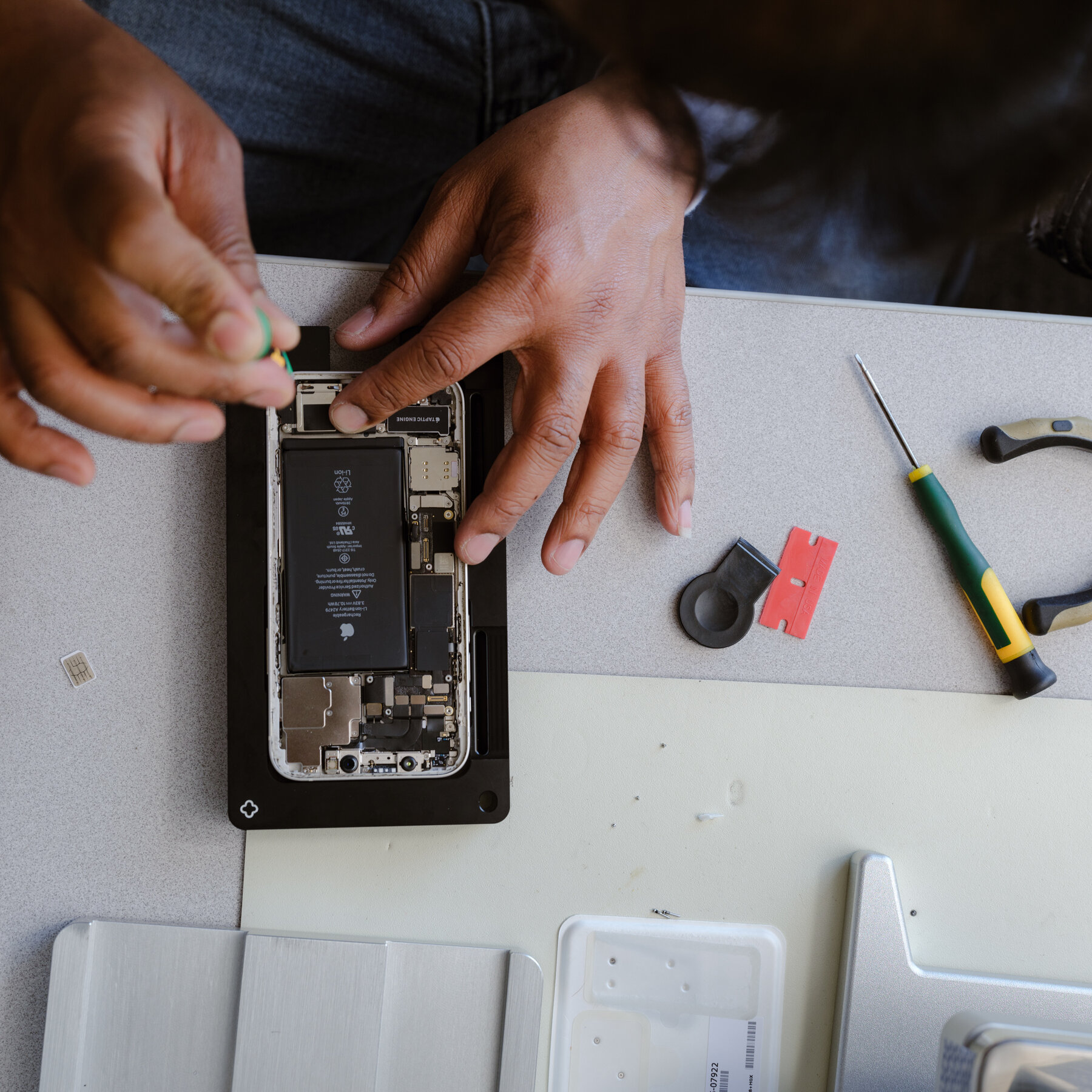
In the fast-paced world of mobile technology, diagnosing and repairing phones quickly and accurately is a critical skill. Hidden hardware issues, such as failing components, short circuits, or overheating parts, can be difficult to detect using traditional methods. This is where a Thermal Camera For phone repair becomes an invaluable tool, providing technicians with a clear, visual understanding of a device’s internal condition. By capturing heat patterns, technicians can pinpoint problems that would otherwise go unnoticed, reducing repair time and improving accuracy.
Understanding Thermal Imaging Technology
A thermal imager works by detecting infrared radiation emitted by objects and converting it into a visual heat map. In phone repair, this allows technicians to observe temperature variations across the device’s internal components. Components that are overheating or unusually cold can indicate potential faults, such as a malfunctioning battery, shorted circuits, or a failing processor. Using a Thermal Imager for phone repair helps technicians identify these issues without dismantling the device completely, making it a non-invasive diagnostic tool.
The benefits of thermal imaging extend beyond simple detection. It allows technicians to assess the health of components in real-time. For instance, when a phone is powered on, a thermal imager can reveal hotspots that correlate with defective IC chips or damaged power regulators. This method also helps prevent further damage, as it avoids unnecessary probing or disassembly.
Identifying Common Hardware Problems
Hidden hardware problems in phones can be subtle but impactful. Some common issues that a Thermal Imager for phone repair can detect include overheating batteries, short circuits, and faulty connectors. Overheating batteries pose a serious risk, not only to the device but also to the user, and thermal imaging allows early detection before catastrophic failure occurs.
Short circuits often generate excess heat in localized areas. By scanning a phone with a thermal imager, technicians can spot these problem areas quickly. Similarly, loose or damaged connectors may fail intermittently, creating heat patterns that reveal the issue. These subtle indicators would be difficult to detect using conventional visual inspection or software diagnostics alone.
Advantages of Thermal Imaging in Diagnostics
Using a Thermal Imager for phone repair offers multiple advantages. First, it increases diagnostic accuracy by visually highlighting problem areas. This reduces guesswork and ensures that repairs target the actual issue, saving both time and money.
Second, thermal imaging is non-invasive. Technicians can examine phones without disassembling them, which minimizes the risk of causing additional damage. This is especially useful for high-end smartphones where opening the device can void warranties or introduce new problems.
Third, thermal imaging enables preventive maintenance. By routinely scanning devices, repair shops can identify potential problems before they lead to device failure. For instance, early detection of a slightly overheating chip can prompt replacement before it damages surrounding components.
How to Use a Thermal Imager for Phone Repair
Using a thermal imager effectively requires understanding both the device and the technology. Start by powering on the phone and letting it operate under normal conditions. Launch applications that typically generate heat, such as video playback or high-performance apps, to observe thermal patterns.
Next, scan the device from different angles to create a complete thermal profile. Pay attention to areas like the battery, CPU, GPU, charging port, and power ICs, as these components are most prone to generating heat. Compare the thermal map to standard heat patterns for that model to identify anomalies.
Technicians should also be aware of environmental factors. External heat sources can affect readings, so conducting scans in a controlled environment ensures more accurate results. Additionally, some thermal imagers allow for temperature calibration, which enhances precision when diagnosing subtle issues.
Integrating Thermal Imaging into Phone Repair Workflows
For repair shops, integrating a Thermal Imager for phone repair into standard workflows can enhance service quality. Start by using thermal imaging as the initial diagnostic step. This identifies potential problem areas before disassembly. Once issues are detected, technicians can plan a targeted repair strategy, reducing the risk of unnecessary component replacements.
Thermal imaging also supports documentation and customer communication. Sharing thermal images with customers helps them understand the issue and the need for repairs, building trust and transparency. Over time, repair shops can create a database of thermal patterns for different devices, which speeds up future diagnostics and improves technician expertise.
Limitations and Considerations
While thermal imaging is a powerful tool, it is not a standalone solution. It works best when combined with traditional diagnostic methods such as multimeter testing, visual inspection, and software analysis. A thermal imager can indicate that a component is overheating, but it may not reveal the underlying electrical problem without further testing.
Another consideration is the resolution of the thermal imager. Higher-resolution devices provide more detailed heat maps, making it easier to pinpoint small components, whereas low-resolution imagers may miss subtle issues. Investing in a quality thermal imager designed for electronics repair ensures accurate diagnostics.
The Future of Thermal Imaging in Phone Repair
The use of thermal imaging in phone repair is growing as devices become more complex and compact. Future thermal imagers may integrate with AI to automatically detect abnormal heat patterns, suggest possible faults, and even predict component failures before they occur. Such advancements will further reduce repair time and increase accuracy, making thermal imaging an essential skill for modern technicians.
Additionally, thermal imaging can be applied in training new technicians. By studying thermal profiles of different devices, trainees can learn to recognize common faults and understand how internal components interact under load. This hands-on experience improves their diagnostic skills and prepares them for real-world repair challenges.
Conclusion
A Thermal Imager for phone repair is a transformative tool in modern electronics diagnostics. It allows technicians to detect hidden hardware issues quickly, accurately, and non-invasively. From identifying overheating batteries to spotting short circuits and faulty connectors, thermal imaging offers a visual and practical method to enhance phone repair processes. By integrating thermal imaging into daily workflows, repair shops can increase efficiency, reduce errors, and improve customer satisfaction. As technology advances, the role of thermal imagers in phone repair will only grow, making them an essential investment for any serious technician.
Using a thermal imager is no longer just a luxury—it is becoming a standard practice for high-quality phone repairs, ensuring devices are returned to customers in optimal condition with minimal guesswork.