
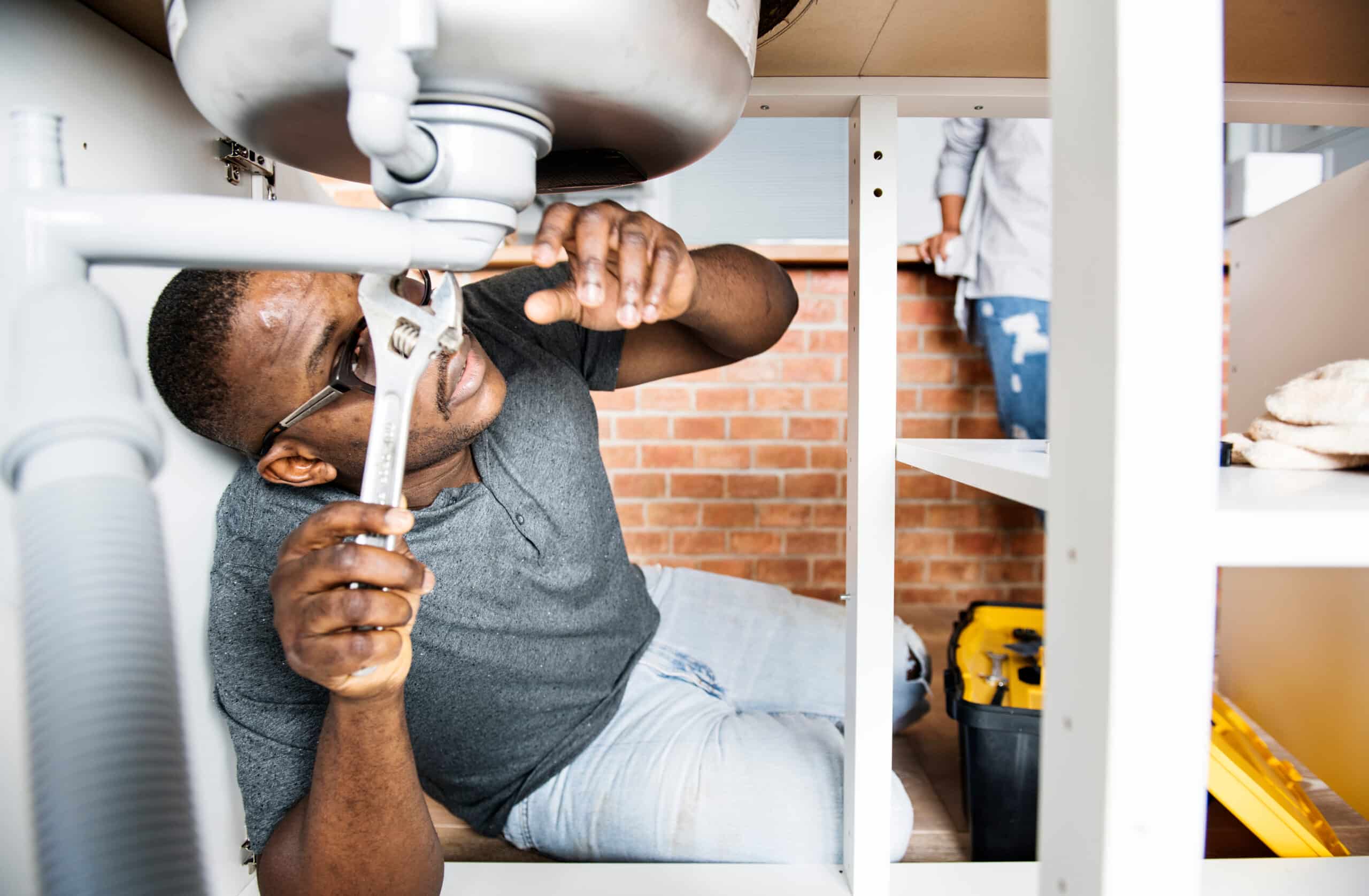
Plumbing emergencies can happen at any time, and they often strike without warning. From sudden leaks to overflowing toilets, these situations can cause significant damage to your property if not addressed promptly. Having access to a reliable emergency plumber is crucial for minimizing risks and restoring your home’s functionality. In this article, we’ll explore the most common plumbing emergencies and provide guidance on how to handle them effectively.
Burst Pipes and Water Leaks
One of the most alarming plumbing issues homeowners face is a burst pipe. Burst pipes can occur due to freezing temperatures, corrosion, or excessive water pressure. When a pipe bursts, water can flood your home in minutes, causing structural damage, mold growth, and damage to personal belongings.
If you experience a burst pipe, immediately turn off the main water supply to prevent further flooding. Next, contact an emergency plumber to repair the damage. While waiting for professional help, you can try to contain the water by using buckets and towels, but avoid using electrical appliances near the affected area to prevent accidents.
Even minor leaks, if left unattended, can escalate into serious problems over time. Persistent dripping taps or small leaks under sinks may seem trivial, but they can lead to higher water bills and damage to cabinets, flooring, and walls. An emergency plumber can quickly identify the source of the leak and provide a permanent solution.
Clogged Drains and Blocked Toilets
Clogged drains and blocked toilets are among the most frequent plumbing issues. They can be caused by hair, soap buildup, grease, food waste, or foreign objects accidentally flushed down the toilet. When left untreated, blockages can cause water backup, unpleasant odors, and potential health hazards.
For minor clogs, you can attempt to clear the blockage using a plunger or a drain snake. However, if the clog persists, it’s important to call an emergency plumber. Professionals have specialized tools to remove stubborn blockages safely and efficiently, preventing further damage to your pipes.
Regular maintenance, such as avoiding flushing non-degradable items and using drain strainers, can reduce the likelihood of clogs. Nevertheless, some blockages require immediate professional attention, especially if they affect multiple fixtures or result in overflowing water.
Water Heater Failures
A sudden malfunction of your water heater can disrupt your daily routine and even pose safety risks. Common issues include no hot water, unusual noises, or water leaks around the heater. Electrical faults or sediment buildup inside the tank can cause these problems.
If your water heater fails unexpectedly, it’s important to shut off the power or gas supply to prevent accidents. Contacting an emergency plumber ensures that the problem is diagnosed correctly and repaired safely. Water heater repairs often require specialized knowledge, and attempting a DIY fix can lead to further damage or personal injury.
Preventive maintenance, such as flushing the tank to remove sediment and checking the pressure relief valve, can help extend the lifespan of your water heater and reduce the likelihood of emergencies.
Sewer Line Backups
Sewer line backups are serious plumbing emergencies that require immediate attention. These backups can be caused by tree root intrusion, pipe corrosion, blockages, or heavy rainfall. When sewage overflows into your home, it poses significant health hazards due to bacteria and contaminants.
If you notice signs of a sewer backup, such as multiple slow drains or foul odors, contact an emergency plumber immediately. Avoid using the affected plumbing fixtures and keep children and pets away from the contaminated area. Professionals have the tools to clear blockages and repair damaged sewer lines, ensuring your home is safe and sanitary.
Faucet and Fixture Failures
A leaking or broken faucet might seem minor, but in some cases, it can escalate into a significant problem. High water pressure, worn-out washers, and corroded valves are common causes of faucet issues. Dripping faucets not only waste water but can also increase utility bills and damage surrounding surfaces.
An emergency plumber can replace faulty parts, repair fixtures, or install new faucets to restore proper function. Regular inspection of your faucets and fixtures helps detect issues early, reducing the likelihood of urgent repairs.
Gas Leaks and Plumbing Emergencies
While plumbing is often associated with water, gas lines are also an integral part of your home’s plumbing system. Gas leaks can result from damaged pipes or loose connections, posing serious fire and health hazards. If you detect a gas smell, hear hissing sounds, or experience unexplained dizziness, it’s critical to act immediately.
Do not attempt to fix gas leaks yourself. Evacuate the premises, avoid using electrical switches, and contact your local gas provider along with an emergency plumber who is certified to handle gas line issues safely. Prompt action can prevent explosions, poisoning, and extensive property damage.
Preventing Plumbing Emergencies
While emergencies can’t always be predicted, regular maintenance can significantly reduce the risk of sudden plumbing problems. Scheduling routine inspections with a licensed emergency plumber can help identify potential issues such as weak pipes, slow drains, and faulty fixtures before they escalate.
Other preventive measures include:
- Insulating pipes to prevent freezing during winter.
- Avoiding flushing non-biodegradable materials or grease down the drains.
- Monitoring water pressure to prevent pipe bursts.
- Installing water leak detection devices for early warning signs.
By taking proactive steps, you can protect your home, save money on repairs, and maintain peace of mind.
Choosing the Right Emergency Plumber
Selecting a reliable emergency plumber is crucial for ensuring fast and effective service during critical situations. Look for professionals who offer 24/7 availability, transparent pricing, and positive customer reviews. A qualified plumber should have experience with a wide range of plumbing issues, from leaks and clogs to sewer and gas line emergencies.
When evaluating a service provider, check their licensing and insurance status. Working with a certified professional not only guarantees quality work but also protects you from liability in case of accidents or damage during repairs.
Handling Emergency Plumbing Situations
When a plumbing emergency occurs, staying calm and acting quickly is key. Here’s a step-by-step approach:
- Identify the Problem – Determine if it’s a leak, blockage, or appliance failure.
- Shut Off Utilities – Turn off water, electricity, or gas as necessary to prevent further damage.
- Contain Damage – Use towels, buckets, or temporary barriers to minimize flooding.
- Contact an Emergency Plumber – Provide details about the issue to help the plumber prepare.
- Follow Safety Protocols – Avoid exposure to contaminated water or hazardous conditions.
By following these steps, you can mitigate damage and ensure that professional help resolves the problem efficiently.
Conclusion
Plumbing emergencies can be stressful and potentially damaging if not handled properly. From burst pipes and clogged drains to water heater failures and gas leaks, timely intervention by a qualified emergency plumber is essential. Regular maintenance and preventive measures can reduce the risk of emergencies, but having a trusted plumber on call ensures peace of mind when unexpected problems arise. Understanding common plumbing issues and knowing how to respond can save you time, money, and stress in the long run.