
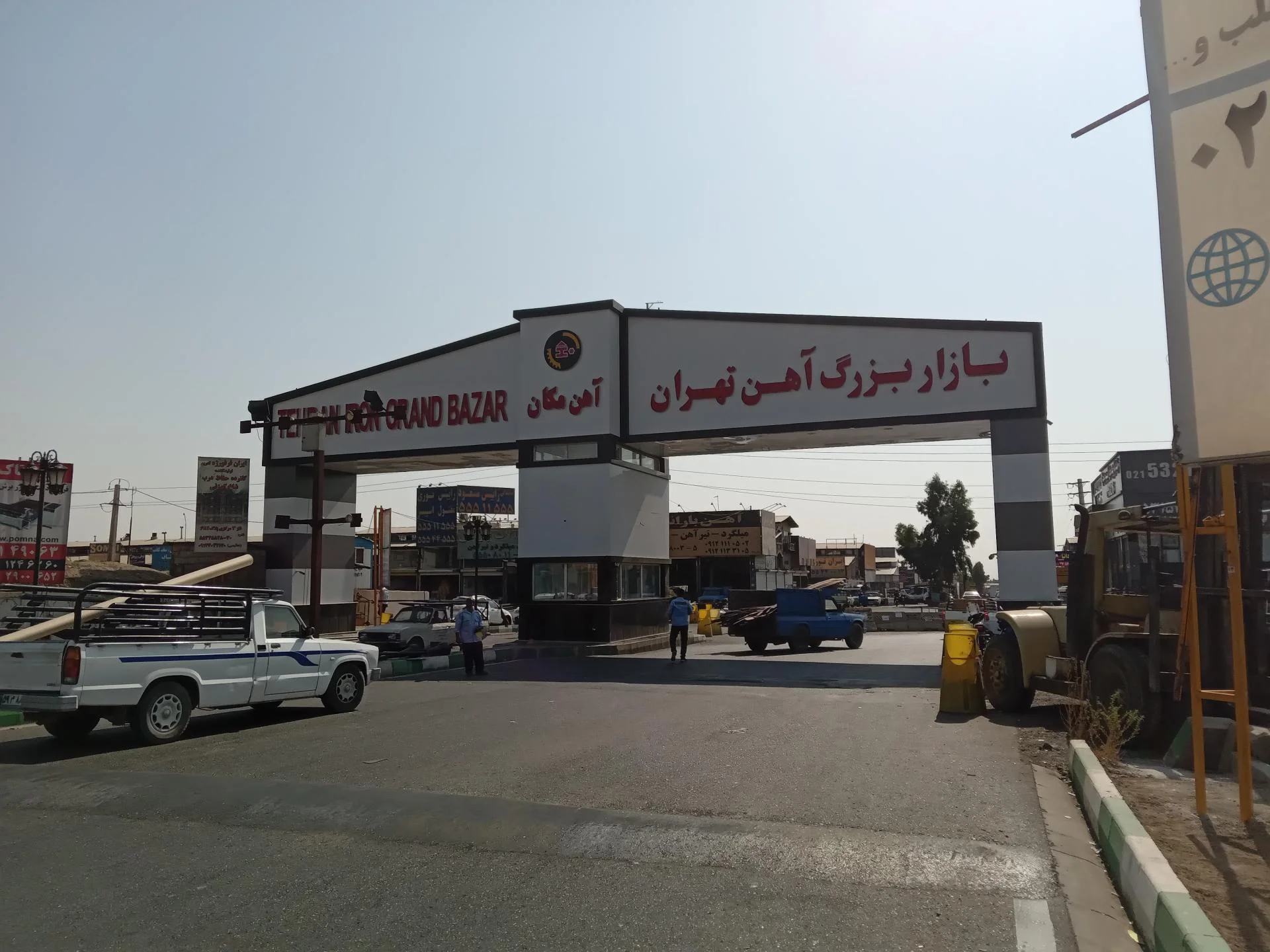
Overview of the Iron Market and Its Dynamics
The iron market has always played a pivotal role in global industrial growth, influencing sectors from construction to manufacturing. In recent years, the market has witnessed significant changes due to shifts in supply chains, international trade policies, and fluctuating demand. Understanding these trends is essential for investors, manufacturers, and traders who want to navigate the complexities of the بازار آهن effectively. The global economy’s recovery after periods of slowdown, coupled with infrastructure development in emerging markets, has contributed to the volatility and opportunities in this sector.
Global Supply and Production Trends
One of the most critical factors impacting the iron market is global production. Major iron-producing countries, including China, Australia, and Brazil, continue to dominate the supply landscape. China, in particular, remains the world’s largest consumer and producer of iron, heavily influencing global prices. Recent reports indicate a shift toward sustainable and automated production techniques to reduce costs and enhance efficiency. Mining companies are investing in technology-driven solutions to optimize extraction processes, reduce environmental impact, and improve overall productivity.
Australia’s iron ore exports remain strong, supported by high-grade ore that attracts global buyers. Brazil, while facing regulatory challenges and infrastructure bottlenecks, continues to be a key supplier. These global supply patterns directly influence the بازار آهن and set the tone for pricing and availability in local markets.
Demand Drivers in the Iron Market
Demand for iron is closely tied to construction, automotive, and manufacturing sectors. The construction industry, particularly in developing regions, drives significant consumption due to ongoing urbanization and infrastructure projects. Rising investments in smart cities, railways, and highway projects have bolstered demand for iron products. In the automotive sector, steel-intensive production of electric vehicles and commercial vehicles has also created new demand patterns.
Economic recovery trends and government spending on public infrastructure are major catalysts for the growing demand. In regions where construction projects are booming, local markets experience increased pressure on the availability of iron, which in turn affects pricing. Monitoring these economic indicators provides valuable insights into the future trajectory of the بازار آهن.
Price Volatility and Market Influences
Iron prices are notoriously volatile, influenced by multiple global and domestic factors. Currency fluctuations, trade policies, and geopolitical tensions can all have immediate effects on the market. For instance, tariffs imposed on iron imports in certain regions can disrupt the supply chain and trigger price hikes. Similarly, fluctuations in the U.S. dollar often impact global pricing since iron is commonly traded in this currency.
Another major influence is the cost of raw materials and energy. Iron production is energy-intensive, and rising fuel or electricity costs can push production costs higher, which is often reflected in market prices. Additionally, supply chain disruptions, such as port congestions or shipping delays, can create temporary shortages, leading to spikes in the بازار آهن.
Technological Advancements Shaping the Market
The iron industry is increasingly adopting technological innovations to streamline operations and improve efficiency. Automation in mining, artificial intelligence for predictive maintenance, and advanced analytics for supply chain management are becoming standard practices. These advancements reduce production costs, enhance safety, and improve the quality of the final product.
Furthermore, sustainability is gaining prominence. Companies are now focused on reducing carbon emissions and using eco-friendly production techniques. The adoption of electric arc furnaces, recycling scrap metal, and investing in renewable energy sources are some of the methods transforming the industry. As environmental regulations become stricter globally, these technological changes are expected to influence the dynamics of the بازار آهن significantly.
Regional Market Trends
Different regions exhibit unique trends in iron consumption and pricing. Asia-Pacific, led by China and India, remains the largest consumer due to massive infrastructure projects and industrial expansion. Europe focuses on sustainable production methods and increasing the use of recycled steel, which slightly reduces the demand for raw iron. North America, while comparatively smaller in demand, shows stability in consumption due to consistent industrial and automotive production.
Middle Eastern countries are emerging as important markets for iron due to large-scale construction projects and economic diversification plans. These regional variations highlight the importance of understanding local factors alongside global trends to make informed decisions in the بازار آهن.
Impact of Global Trade and Policies
Trade agreements, import-export restrictions, and tariffs play a critical role in shaping iron market trends. For instance, policies encouraging domestic production can reduce imports, affecting both local and international prices. Conversely, liberal trade policies can lead to increased competition and greater price stability. Monitoring these policies is essential for market participants who need to anticipate changes in supply, demand, and cost structures.
Additionally, geopolitical tensions can disrupt supply chains, particularly for countries dependent on imported iron. Political stability in key producing countries like Brazil and Australia is crucial, as any disruption can have ripple effects across global markets. Investors and businesses closely monitor these developments to mitigate risks and capitalize on emerging opportunities in the بازار آهن.
Investment Opportunities and Future Outlook
The current trends indicate several investment opportunities in the iron market. Companies focusing on sustainable production and technological innovation are likely to gain competitive advantages. Similarly, regions experiencing rapid industrialization and infrastructure growth present lucrative opportunities for market participants.
The future of the بازار آهن appears promising, driven by ongoing urbanization, increased industrial activities, and technological advancements. However, stakeholders must remain vigilant about global economic shifts, regulatory changes, and potential supply disruptions. By understanding these trends and adapting strategies accordingly, investors and businesses can position themselves to benefit from the evolving iron market.
Conclusion
The iron market is in a phase of dynamic change, influenced by global production trends, shifting demand patterns, technological innovations, and trade policies. The interplay of these factors creates both challenges and opportunities for participants in the بازار آهن. Staying informed about market developments, regional consumption patterns, and emerging technologies is crucial for anyone involved in the iron industry. As the world continues to invest in infrastructure, sustainable production, and industrial growth, the iron market will remain a central component of economic development, making it essential for stakeholders to track trends and make strategic decisions.