
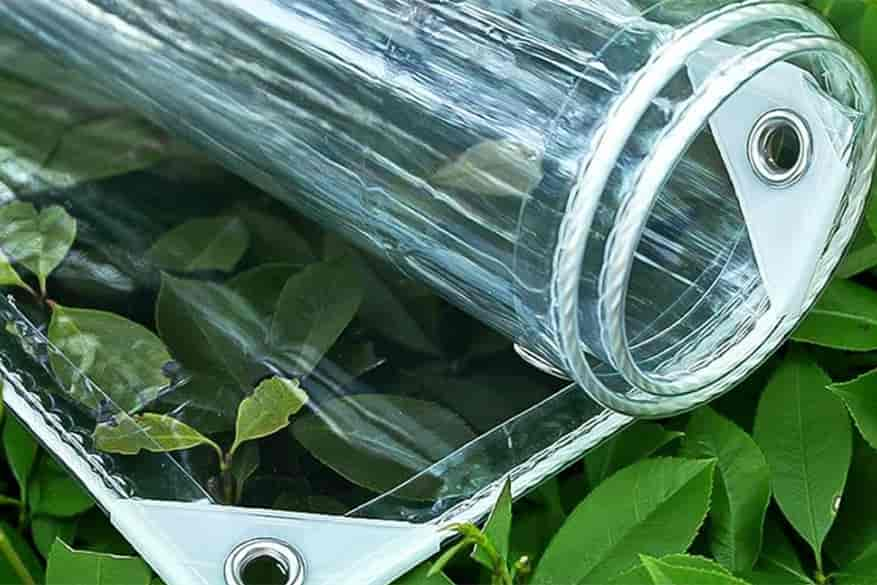
PVC tarpaulin is a critical material widely used in transportation, especially for truck covers, due to its durability, waterproofing, and flexibility. For businesses in logistics and freight, having a high-quality PVC tarpaulin ensures the safety of goods during transit, protection from harsh weather, and prolonged service life. Companies like FeiCheng Tongfa have become leaders in producing top-notch PVC tarpaulin, maintaining strict quality standards at their factories. Understanding the manufacturing process of PVC tarpaulin provides insight into why it is so effective and how pvc tarpaulin for truck cover factory operations ensure superior products.
Raw Material Selection and Preparation
The foundation of high-quality PVC tarpaulin begins with careful selection of raw materials. The primary component is polyvinyl chloride (PVC) resin, which provides flexibility and water resistance. Other essential materials include polyester fabrics for reinforcement and stabilizers, plasticizers, pigments, and UV inhibitors. The polyester fabric serves as the base, giving strength and tear resistance, while the PVC coating adds waterproof properties.
At a pvc tarpaulin for truck cover factory, raw materials undergo rigorous inspection to ensure they meet quality standards. The PVC resin must be free of impurities, and the polyester fabric is tested for tensile strength and weave consistency. Proper preparation at this stage guarantees that the final tarpaulin product will withstand long-term usage in demanding environments.
Mixing and Compounding
Once the raw materials are ready, the PVC resin is blended with plasticizers, stabilizers, and other additives to form a homogenous compound. Plasticizers make the PVC flexible, ensuring it can bend and fold without cracking. Stabilizers prevent degradation caused by heat, UV light, or environmental exposure. Pigments and colorants are also added during this stage to achieve the desired color and opacity for the tarpaulin.
The compounding process requires precise temperature control and continuous mixing to ensure the additives are evenly distributed. In factories like FeiCheng Tongfa, specialized machinery is used to achieve consistent compounding, which is crucial for producing PVC tarpaulins with uniform strength, flexibility, and appearance.
Coating the Fabric
After compounding, the next step is applying the PVC mixture onto the polyester fabric. This process, known as coating, is typically performed using a calendaring or extrusion technique.
In calendaring, the PVC compound is spread onto heated rollers and pressed onto the fabric to form a uniform layer. The heat ensures that the PVC adheres firmly to the polyester base. In extrusion coating, the PVC compound is melted and extruded directly onto the fabric surface, creating a seamless bond. Both methods ensure that the PVC coating provides excellent water resistance and durability, essential for truck covers exposed to rain, sun, and wind.
During this stage, factories like FeiCheng Tongfa maintain strict quality control, checking for uniform thickness, smooth surface finish, and absence of defects such as air bubbles or wrinkles. Proper coating ensures that the tarpaulin can withstand heavy-duty usage without tearing or peeling.
Curing and Drying
Once the PVC is coated onto the fabric, the tarpaulin must undergo a curing and drying process to stabilize the material. The coated fabric is passed through a controlled heating system, which ensures that the PVC sets correctly and achieves its full mechanical properties.
Curing not only enhances the strength and elasticity of the tarpaulin but also improves its resistance to extreme temperatures and UV degradation. The drying process removes any residual moisture, preventing mold growth and ensuring the tarpaulin maintains its integrity during storage and transportation.
Surface Finishing and Lamination
After curing, the tarpaulin undergoes surface finishing to enhance its usability and appearance. Finishing treatments may include embossing, lamination, or additional protective coatings.
Embossing adds texture to the surface, improving anti-slip properties and reducing glare from sunlight. Lamination can involve applying extra layers of PVC or protective films to improve tear resistance, UV protection, and overall longevity. These finishing touches are particularly important for truck covers, which face constant exposure to rough handling and environmental stress.
Factories like FeiCheng Tongfa prioritize finishing processes to ensure every PVC tarpaulin meets industry standards for durability, flexibility, and visual appeal.
Cutting, Welding, and Fabrication
Once the tarpaulin sheets are complete, they are cut into sizes suitable for truck covers. Precision cutting ensures the material fits trucks accurately and reduces wastage.
After cutting, sections of the tarpaulin are joined using high-frequency welding or heat sealing. This method creates strong, watertight seams that are more durable than traditional stitching. Reinforced edges and corners are added to withstand stress and prevent tearing during usage.
Fabrication at a pvc tarpaulin for truck cover factory like FeiCheng Tongfa ensures that each cover is tailored to specific truck dimensions and client requirements, delivering high-quality, customized products.
Quality Testing and Inspection
Quality control is a crucial step in the production of PVC tarpaulin. Factories perform a range of tests, including tensile strength, water resistance, UV resistance, and flame retardancy. Tarpaulins are inspected for defects such as pinholes, uneven coating, weak seams, and color inconsistencies.
FeiCheng Tongfa implements strict quality assurance protocols, ensuring that every tarpaulin produced in their factory meets international standards and client expectations. This attention to detail is why their PVC tarpaulin for truck covers is trusted worldwide.
Packaging and Distribution
Finally, the finished PVC tarpaulin sheets are rolled, labeled, and packaged for shipping. Proper packaging prevents damage during storage and transportation. Depending on customer requirements, tarpaulins can be supplied in bulk rolls or pre-cut, ready-to-install truck covers.
Distribution from factories like FeiCheng Tongfa ensures timely delivery to logistics companies, truck manufacturers, and distributors globally, maintaining product quality from factory to end-user.
Advantages of Using High-Quality PVC Tarpaulin
PVC tarpaulin for truck covers offers several advantages:
- Excellent waterproofing and weather resistance
- High tensile strength and tear resistance
- UV and heat protection for extended service life
- Customizable sizes, colors, and coatings
- Eco-friendly options with recyclable materials
By sourcing tarpaulins from a reliable factory like FeiCheng Tongfa, businesses can secure durable, high-performing truck covers that protect cargo effectively and reduce maintenance costs.
Conclusion
Understanding the manufacturing process of PVC tarpaulin highlights the meticulous steps required to produce high-quality truck covers. From raw material selection and compounding to coating, curing, finishing, and fabrication, each stage is critical in ensuring the tarpaulin meets durability, waterproofing, and performance standards.
A pvc tarpaulin for truck cover factory such as FeiCheng Tongfa exemplifies excellence in production, maintaining strict quality control, using advanced machinery, and adhering to international standards. Investing in high-quality PVC tarpaulin guarantees reliable protection for trucks and their cargo, making it an essential material for transportation and logistics industries.