
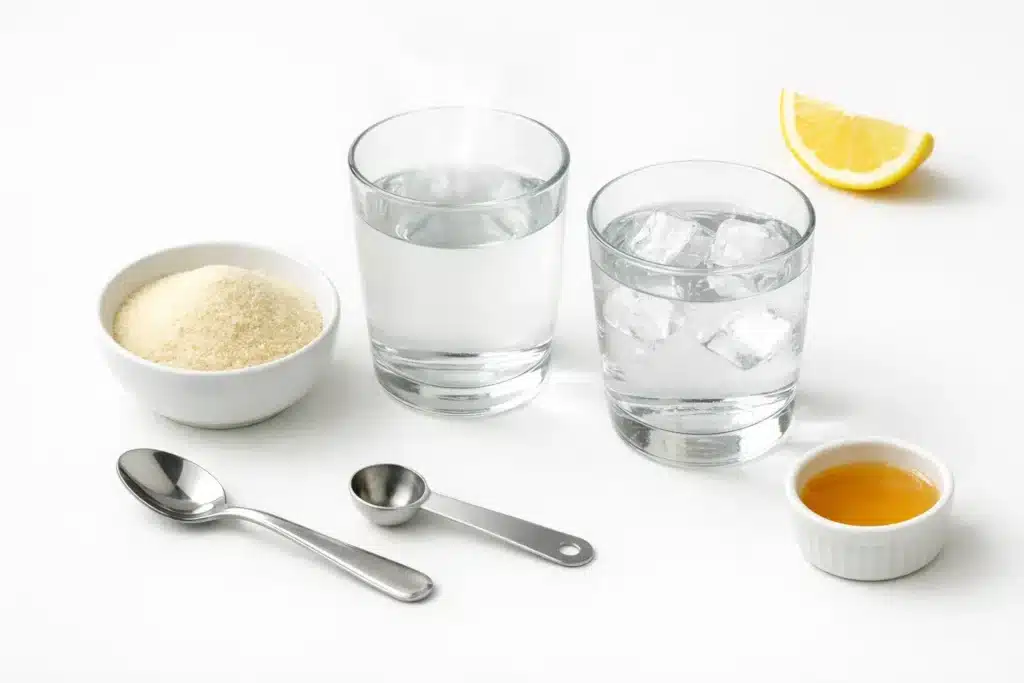
Gelatin has long been a quiet hero in professional kitchens, yet many home cooks barely scratch the surface of what it can do. The gelatin trick is one of those simple but transformative techniques that can instantly upgrade texture, flavor, and presentation across sweet and savory dishes. Whether you want silkier sauces, juicier meats, or desserts with a professional finish, mastering this technique will give you a serious edge in the kitchen.
This in-depth guide will walk you through everything you need to know about the gelatin trick, from how it works to practical ways you can use it every day.
Understanding Gelatin and Why It Matters
Gelatin is a protein derived from collagen, commonly sourced from animal bones and connective tissue. When mixed with liquid and heated, it dissolves. As it cools, it forms a delicate network that traps moisture and creates structure.
What makes gelatin special is its versatility. Unlike flour or cornstarch, it thickens without dulling flavors or creating cloudiness. The gelatin trick takes advantage of this unique property to subtly enhance dishes without making them heavy or gummy.
Professional chefs rely on gelatin because it improves mouthfeel, stability, and moisture retention while staying nearly invisible on the palate.
What Is the Gelatin Trick?
At its core, the gelatin trick involves adding a small, controlled amount of gelatin to foods that don’t traditionally rely on it. The goal is not to make dishes firm like jelly, but to improve texture and cohesion.
When used correctly, gelatin doesn’t announce itself. Instead, it makes sauces feel luxurious, soups taste richer, and proteins stay juicy. This technique is especially popular in modern cuisine, where texture is just as important as flavor.
The real magic of the gelatin trick lies in restraint. A little goes a very long way.
How the Gelatin Trick Works Scientifically
Gelatin molecules form a flexible mesh when cooled. This mesh traps water and fat, preventing separation and moisture loss. In practical terms, this means:
- Sauces cling better to food
- Meats retain juices during cooking
- Desserts hold their shape without becoming rubbery
Because gelatin melts at body temperature, it creates a smooth, melt-in-the-mouth sensation that other thickeners can’t replicate.
Choosing the Right Type of Gelatin
Before applying the gelatin trick, it’s important to choose the right form of gelatin.
Powdered Gelatin
Powdered gelatin is widely available and easy to measure. It needs to be bloomed in cold water before use, which ensures even dissolution.
Sheet Gelatin
Sheet gelatin, often preferred by professionals, offers more consistent results. It produces a cleaner texture and is less likely to introduce graininess.
Bloom Strength Considerations
Different gelatins have different bloom strengths, which affect firmness. For the gelatin trick, moderate bloom gelatin works best because it provides structure without stiffness.
Mastering the Blooming Process
Blooming is a critical step that should never be skipped. To bloom gelatin properly, sprinkle it over cold liquid and let it absorb moisture for several minutes. This step allows the gelatin to hydrate evenly.
Once bloomed, gently heat the mixture until the gelatin fully dissolves. Never boil it, as excessive heat weakens its setting power. Proper blooming ensures the gelatin trick works seamlessly in your dish.
Using the Gelatin Trick in Savory Dishes
One of the most powerful uses of the gelatin trick is in savory cooking.
Enhancing Sauces and Gravies
Adding a small amount of gelatin to pan sauces or gravies creates a glossy, restaurant-quality finish. The sauce coats the back of a spoon beautifully and clings to meat instead of pooling on the plate.
Improving Soups and Broths
Even well-made broths can benefit from gelatin. It gives soups a fuller body and richer mouthfeel without altering flavor. This is especially useful for quick broths that haven’t simmered for hours.
Juicier Meat and Poultry
When mixed into ground meats or brushed onto roasted proteins, gelatin helps retain moisture. Burgers become juicier, meatloaf holds together better, and roasted chicken stays succulent.
Applying the Gelatin Trick to Desserts
Desserts are where gelatin truly shines, offering elegance and stability.
Creamier Mousses and Cheesecakes
A touch of gelatin stabilizes whipped cream and cream cheese mixtures without making them stiff. This results in desserts that slice cleanly while still feeling light and airy.
Perfectly Set Puddings and Custards
The gelatin trick helps puddings set evenly, preventing weeping or graininess. It also allows for lower fat content without sacrificing texture.
Professional-Level Presentation
From mirror glazes to layered desserts, gelatin ensures clean lines and smooth finishes. It allows desserts to hold their shape even at room temperature for short periods.
Common Mistakes to Avoid
Even a simple technique like the gelatin trick can go wrong if not handled carefully.
Using too much gelatin is the most common error. This leads to rubbery textures and an artificial mouthfeel. Always start with less than you think you need.
Another mistake is adding gelatin to boiling liquids. High heat degrades gelatin’s structure and reduces its effectiveness.
Failing to dissolve gelatin fully can also result in unpleasant lumps. Gentle heat and proper blooming are essential.
Tips for Perfecting the Gelatin Trick
Consistency comes with practice, but these tips will help you succeed faster.
Measure gelatin accurately using a kitchen scale whenever possible. Precision matters.
Match the gelatin amount to the dish’s purpose. Sauces need far less gelatin than desserts.
Allow enough cooling time for gelatin to set properly. Rushing the process can lead to uneven results.
Why the Gelatin Trick Is a Game-Changer
What makes the gelatin trick so powerful is its subtlety. It doesn’t overpower dishes or add unwanted flavors. Instead, it quietly enhances texture, stability, and overall eating experience.
Once you understand how gelatin behaves and how little you need to use, it becomes one of the most valuable tools in your culinary arsenal. From weeknight dinners to special occasions, this technique allows you to cook with more confidence and finesse.